This Will Greatly Boost D’Decor Home’s Fortunes
MIAMI BEACH, FL (USA)–India’s recent trade agreement with the EU and the USA is going to benefit the entire Indian home fabrics industry but especially D’Decor Home Pvt., one of the largest furnishings fabric producers in the world today.
This will greatly boost the fortunes of the recent acquisition of Verbatex in Kortrijk by D’Decor Home Pvt. in Mumbai. Why? Current EU Tariffs on Indian made home fabrics and all textiles will be reduced from 12 percent to zero once this trade deal goes into effect later this year.
U.S. tariffs on Indian fabrics was 50 percent but the new arrangement will see the tariff reduced to 18 percent.
Both deals will boost furnishing fabrics exports from Indian fabrics manufacturers like D’Decor Home to the EU and USA and vice versa from the EU producer–Verbatex for example to India. Belgian quality upholstery will elevate D’Decor Home’s entire line and no doubt substantially boost its sales in Europe, the USA and domestically in India itself.
D’Decor Home will now be able to produce the same level of fabrics in its Indian mills as Verbatex does in Belgium. Obviously, Verbatex, a jacquard velvet producer will be able to initially export its products to India free of the 12 percent tariff and the same is true for D’Decor Home exports to the EU–with Belgian quality! Of course, D’Decor Home will be able to export Belgian quality to the USA as well in larger volume than ever before from its mills in Tarapur, Maharashtra. After a transition period, D’DSecor Home will be able to produce the Verbatex line in India in greater volume.
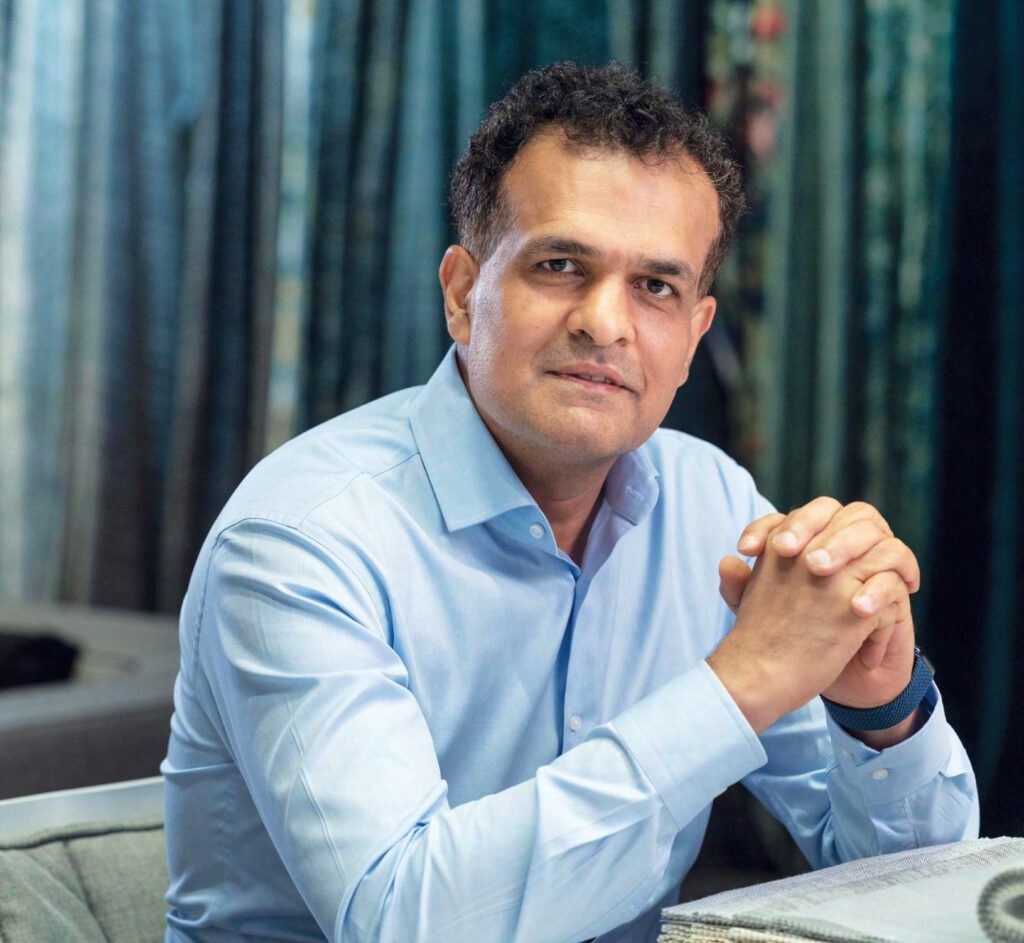
This is a big win for Ajay Arora, Managing Director of D’Decor Home. Congratulations for this “smart acquisition,” one European fabric wholesaler told F&FI.
This tariff reduction to zero will also create the largest free trade zone in the world by removing trade barriers between the two trading areas. The India/EU agreement signed in January was hailed as the”mother of all deals” by the leaders–India’s Modi and EU’s von der Leyen. Both trading areas cover a whopping 25 percent of global GDP.