New industrial zones bring advanced printing and dyeing units, improving Turkey’s global supply chain resilience.
Shift Toward Eco-Friendly Material Innovation
Over the past few years, sustainability has moved from a niche preference to a mainstream requirement. Consumers are seeking products that align with their environmental values, prompting brands to explore greener alternatives—recycled fibers, organic cotton, biodegradable textiles, and low-impact dyeing processes.
European mills, known for their innovation and craftsmanship, are stepping up with impressive solutions that combine style, performance, and sustainability.
Key Reasons Behind the Growing Demand
Below is a list of the primary factors driving the surge in sustainability-focused upholstery production across Europe:
Major Drivers of Growth
- Environmental Awareness: Consumers prefer eco-conscious products, influencing manufacturers to shift toward green alternatives.
- Technological Advancements: Mills are investing in recycling technologies that transform waste into high-performance yarns.
- Stricter Regulations: EU policies on waste reduction and chemical control are pushing the industry toward cleaner production methods.
- Designer Preferences: Interior designers increasingly choose sustainable fabrics for residential, hospitality, and office projects.
- Corporate Sustainability Goals: Furniture brands now publicly commit to reducing carbon footprints and embracing circular design.
The Rise of Recycled and Natural Fibers
One of the strongest trends emerging is the adoption of recycled polyester made from post-consumer plastic waste. Many mills have developed advanced systems that enable them to create durable yarns from recycled bottles, industrial scraps, and textile waste.
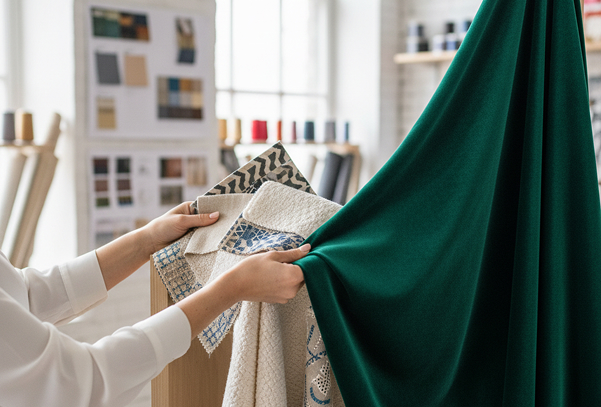
On the natural side, fibers like hemp, linen, wool, and organic cotton are gaining renewed popularity. These materials are biodegradable, durable, and carry a significantly lower environmental impact.
Stricter European Regulations Driving Change
The European Union’s environmental regulations are becoming increasingly stringent, placing new expectations on furniture manufacturers and textile suppliers. Compliance now requires:
- Transparency in raw material sourcing
- Reduced water usage
- Safe, responsible dyeing and finishing processes
- Improved product lifecycle documentation
This regulatory push is accelerating the adoption of sustainable practices across many established mills.
Designers Embrace the Sustainable Aesthetic
The design community is responding enthusiastically to these new materials. Sustainable fabrics today offer rich textures, modern palettes, superior feel, and enhanced durability—making them suitable even for high-traffic or luxury installations.
From boutique hotels to high-end residential interiors, sustainable upholstery is no longer a compromise; it’s becoming a preferred choice.
Sustainable Fabrics Becoming the New Standard
Industry experts predict that the demand for eco-friendly upholstery fabrics will continue to rise as both consumers and manufacturers push for greener solutions. With their strong heritage and commitment to innovation, European mills are well-positioned to lead this transformation.
In a world increasingly shaped by environmental consciousness, sustainable fabrics are no longer just an option—they’re becoming the new standard for upholstery design.